Record the symptom, model details and any error code
The sequence is adapted to the appliance and the fault found on site.
When a washing machine stops working in Umbogintwini, the useful first step is to identify the exact operating symptom and the conditions in which it appears. We assist customers in homes, offices and properties close to industrial and commercial activity, with checks focused on safe diagnosis rather than guessing a component from one symptom.
Describe the fault and your location. We will review the details and confirm the next steps.
Check that the water taps are open, the door is fully closed, the load is balanced and the visible drain hose is not crushed. Disconnect power before checking accessible filters.
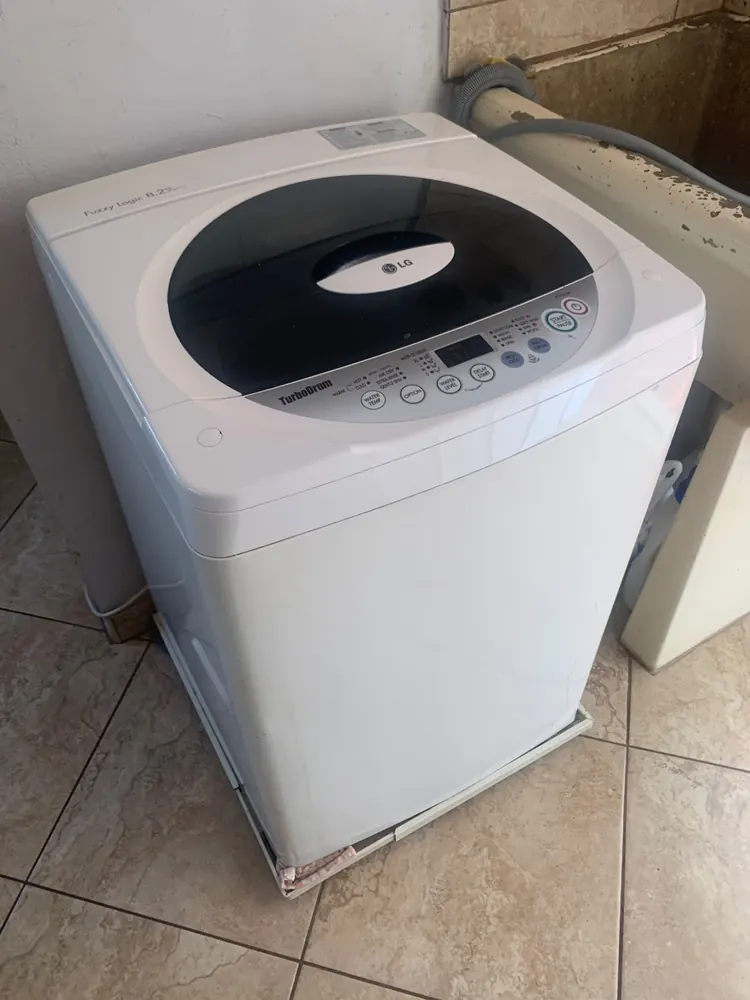
The sequence is adapted to the appliance and the fault found on site.
The sequence is adapted to the appliance and the fault found on site.
The sequence is adapted to the appliance and the fault found on site.
The sequence is adapted to the appliance and the fault found on site.
Properties in Umbogintwini can expose appliances to dust, humidity, voltage fluctuations and demanding operating conditions. These factors do not prove the cause of a fault, but they are useful context when checking airflow, connections, drainage, seals, heating or cooling performance.
Customers can help the assessment by sharing the brand, model number where visible, fault history, recent power events and whether the problem is constant or intermittent.
Many faults can be assessed on site where there is safe access, a suitable electrical supply and enough space to test the appliance.
Provide the brand, model if visible, precise symptom, error code, service address and preferred contact method.
No. Several electrical, mechanical and installation issues can create similar symptoms, so testing is needed before a repair decision.
Blocked filters, obstructed hoses, a failed pump or control issue are different faults. Note whether a pump hums and whether water remains in the drum; avoid opening a filter while the drum is full.
An uneven load or unstable flooring can imitate worn shock absorbers, bearings or a damaged drum support. Note the programme and load size when the noise begins.
Inspect the visible inlet and outlet hose connections without opening covers. A leak during filling, tumbling or draining points to different seals, dispenser paths and pump connections.
Fill and drain sequence, accessible filter and hose routes, pump operation, door interlock, suspension, bearings and error-code history.
Turn off the water taps for an active leak, unplug only if the area is dry and safe, and do not force a locked door or dismantle a live appliance.
A pump obstruction or door seal can be a relatively contained repair; noisy bearings, drum damage or major control faults need a more careful estimate against replacement.
For offices, mixed-use sites or family homes, identify visitor arrangements and the power or water isolation point if known. Commercial appliances should be described by model, capacity and operating demand.
For washing machine work in Umbogintwini, tell us the complete brand and model, any error code and whether the fault appeared after an installation or power interruption. We confirm coverage, access, parts and attendance arrangements before an appointment is treated as booked.
Read our related troubleshooting guide or request a repair assessment.
If a washer retains water, report whether it stopped before the drain or spin stage and whether a pump can be heard. A leak during filling is a different clue from a leak during discharge. If access is through a business site, share operating hours and the supervisor who can approve diagnosis. These details help us assess the appropriate tests before discussing a repair estimate.
For the general diagnostic sequence see washing machine repairs; for scheduling, send a repair request with your exact Umbogintwini address.